
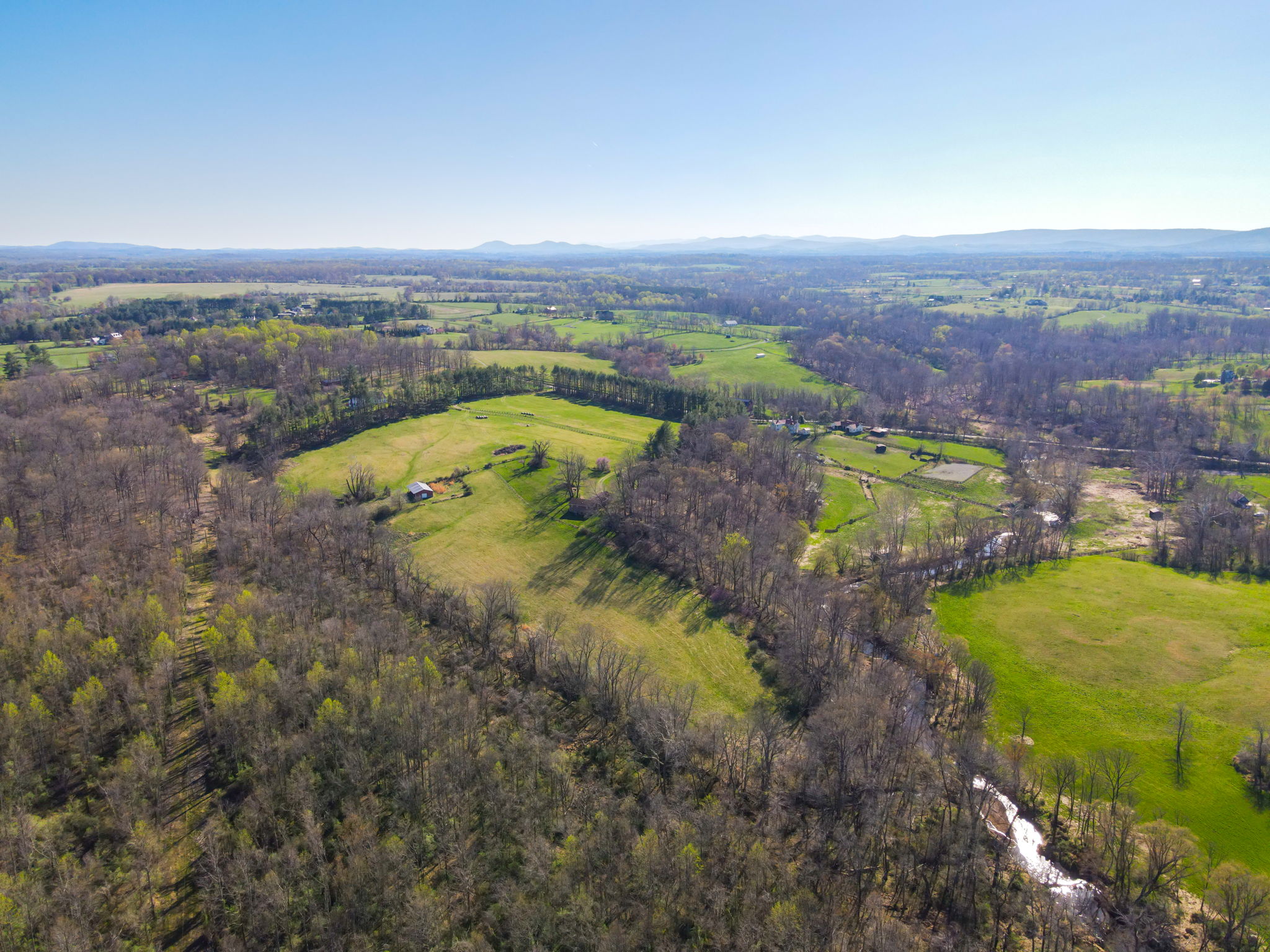
Real estate agents are constantly told about the importance of finding a niche. Focus on luxury homes, first-time buyers, investors, or geographic farming. All solid advice, but there’s one specialization that most agents overlook entirely: land sales.
While your colleagues compete for the same residential listings and fight over shrinking commission splits, land transactions offer a path to higher commissions, less competition, and clients who genuinely value specialized expertise.
After working in land sales for several years, I’ve come to believe it represents one of the most underutilized opportunities in real estate. Here’s why it might be the perfect niche for your practice.
The Hidden Opportunity in Plain Sight
Most agents avoid land sales because they seem complicated and unfamiliar. This perception creates exactly the opportunity that smart agents can capitalize on.
Consider the typical residential transaction: multiple agents competing for listings, standardized marketing approaches, and clients who often view agents as interchangeable. Success depends largely on volume, personality, and marketing budget.
Land transactions work differently. Buyers and sellers have unique challenges that require specialized knowledge. When you can solve problems that other agents can’t, clients stop shopping on commission rates and start valuing expertise.
Why Smart Real Estate Agents Choose Land Specialization
Land transactions present unique opportunities that reward agents who develop specialized expertise in this market segment.
Premium Compensation Structure
Land transactions typically command higher commission rates (4-6%) due to the specialized knowledge required and the complex nature of these deals. Sophisticated buyers and developers recognize the value of working with agents who understand zoning, development potential, and market dynamics – and they’re willing to invest accordingly in expert representation.
Strategic Advisory Role
Land clients value agents who serve as strategic advisors rather than tour guides. These buyers conduct extensive due diligence using public records, environmental consultants, and legal experts. Your role centers on providing market intelligence, identifying opportunities, and solving complex problems – leveraging your expertise rather than your availability.
Portfolio-Building Relationships
Land clients often have ongoing acquisition strategies spanning multiple properties and years. When you successfully help a developer or investor achieve their goals, you typically become their go-to resource for future opportunities, creating a foundation for sustained business growth.
Specialized Market Positioning
The land market rewards specialization. While the residential market may have numerous competitors, agents with deep land expertise often enjoy reduced competition and stronger market positioning in their territory.
This specialization allows agents to build a practice focused on expertise and strategic value rather than transaction volume alone.
The Knowledge Advantage
Land specialization creates what I call a “knowledge moat” around your business. Once you understand zoning, development processes, and land valuation, you possess expertise that can’t be quickly replicated.
This knowledge moat becomes even stronger as you niche down further within land. Each sub-specialty has its own distinct knowledge requirements—conservation land transactions involve different expertise than spec home sites, which require different knowledge than large-scale residential development opportunities. The more specific your focus, the deeper your moat becomes.
Here’s what happened when I started focusing on land: I began receiving calls from other agents who had land listings they couldn’t handle. They knew their clients needed specialized help, and they were willing to refer business or split commissions to get that expertise.
This dynamic doesn’t exist in residential sales. Agents don’t refer luxury home listings because they can’t handle them—they just try harder. But land requires knowledge that many agents simply don’t have and aren’t willing to develop.
Understanding Land Market Dynamics
Land markets operate on different principles than residential markets, creating opportunities for agents who understand these dynamics.
Supply Constraints
In many markets, developable land is becoming increasingly scarce due to zoning restrictions, environmental regulations, and infrastructure limitations. This scarcity creates value for agents who can identify and access suitable properties.
Multiple Buyer Types
Unlike residential properties that primarily appeal to homeowners, land attracts developers, investors, builders, recreational users, and homeowners. Each buyer type has different criteria and budgets, creating multiple market segments.
Longer Sales Cycles
Land transactions typically take longer than residential sales, but this extended timeline often works in the agent’s favor. You have more time to develop relationships, understand client needs, and find the right match.
Less Emotional Decision-Making
Land buyers are usually making business decisions rather than emotional choices. This leads to more rational negotiations and fewer last-minute surprises.
The Types of Land Specialization Opportunities
Land specialization doesn’t mean you need to handle every type of property. Most successful land agents focus on specific segments:
Residential Development Land
Working with builders and developers who need sites for new construction. This might include everything from single-family lots to large subdivision opportunities.
Land Banking And Investment
Serving investors who buy land for appreciation, future development, or income generation through leasing for agriculture or recreation.
Recreational Land
Helping clients find land for hunting, farming, conservation, or weekend retreats. This market has grown significantly as more people seek rural property.
Commercial Development Land
Identifying properties suitable for retail, office, or industrial development. This typically involves larger transactions and more sophisticated clients.
The key is choosing one or two segments and developing deep expertise rather than trying to serve every possible land buyer.
Getting Started: Building Your Foundation
If land specialization interests you, here’s how to begin building expertise:
Learn Your Local market
Start by understanding how land transactions work in your area. Research recent sales, identify active buyers and sellers, and learn about local zoning and development processes.
Study your county’s zoning ordinance, comprehensive plan, and development regulations. This might sound tedious, but this knowledge becomes your competitive advantage.
Attend planning commission and zoning board meetings to understand how development approval processes work. You’ll learn about current projects and meet the professionals involved in land development.
Develop Professional Relationships
Land transactions involve more professionals than typical residential sales. Start building relationships with:
- Land Use Attorneys who handle zoning and development issues
- Civil engineers who design site improvements and navigate regulatory processes
- Environmental consultants who handle wetlands, soil studies, and other assessments
- Surveyors who provide boundary and topographic surveys
- Builders and developers who are active land buyers
These professionals often know about land opportunities before they hit the market and can become valuable referral sources.
Master Land Valuation
Learn how to evaluate land using different methods:
- Comparable sales analysis requires understanding factors that affect land values beyond simple acreage comparisons.
- Residual land value involves working backward from finished development values to determine appropriate land prices.
- Income approaches apply when land generates revenue through agriculture, cell towers, or other uses.
Understanding these valuation methods helps you price properties accurately and explain values to clients.
Start Marketing to Landowners
Begin building relationships with potential sellers through targeted marketing. This might include:
- Direct mail campaigns to owners of land suitable for development
- Networking with estate planning attorneys who work with landowner families
- Relationships with farmers or other land users who might eventually sell
- Educational content that positions you as a land expert in your community
The goal is becoming known as the agent to call when someone needs to sell land.
Common Beginner Mistakes to Avoid
Having helped other agents transition into land sales, I’ve observed several common mistakes:
- Trying to handle every type of land transaction: Focus on one or two market segments initially rather than trying to serve everyone.
- Underestimating the learning curve: Land expertise takes time to develop. Be patient and invest in education before expecting significant income.
- Competing on commission rather than value: When you provide specialized expertise, you shouldn’t need to discount your services.
- Neglecting to build professional networks: Land transactions require teams of specialists. Start building these relationships early.
- Assuming land is just “simple property”: Land transactions involve complexities that don’t exist in residential sales. Respect the learning process.
The Technology Advantage
Modern technology has made land research much more accessible than it was even a few years ago. Most counties now provide online access to:
- GIS mapping systems that show property boundaries, zoning, and environmental features
- Property records including ownership, tax information, and sales history
- Development regulations and comprehensive plans
- Environmental databases showing wetlands, floodplains, and other constraints
Learning to use these tools effectively gives you research capabilities that would have required expensive consultants in the past.
Building Systems for Success
Successful land agents develop systems that allow them to identify opportunities and serve clients efficiently:
- Property research workflows that quickly assess development potential and constraints
- Client qualification processes that identify serious buyers and their specific criteria
- Professional vendor networks for due diligence services and expert consultation
- Market monitoring systems that track new opportunities and changing regulations
These systems allow you to provide sophisticated service while managing your time effectively.
The Long-Term Opportunity
Land specialization offers several advantages for building a sustainable real estate practice:
- Market cycles: Land markets don’t disappear during real estate downturns—they just shift focus. Developers might slow new projects, but investors often see downturns as buying opportunities.
- Relationship-based business: Land clients tend to be repeat buyers who value ongoing relationships with knowledgeable agents.
- Geographic expansion: Land expertise is transferable. Understanding development principles in one market helps you expand to adjacent areas.
- Wealth building opportunities: As you develop expertise, you might identify investment opportunities for yourself, creating wealth beyond commission income.
Is Land Specialization Right For You?
Land specialization isn’t suitable for every real estate agent, but it might be perfect if you:
- Enjoy research and analysis more than constant client interaction
- Prefer working with business-focused clients rather than emotional residential buyers
- Want to build expertise that creates long-term competitive advantages
- Are willing to invest time in learning before expecting immediate returns
- Like solving complex problems rather than handling routine transactions
Taking the First Step
If land specialization interests you, start small and focused:
Choose one type of land buyer or seller to focus on initially. This might be residential developers, recreational land buyers, or investors—whatever matches your interests and local market opportunities.
Commit to learning about that market segment for six months. Attend relevant meetings, read industry publications, and start building professional relationships.
Begin marketing yourself as someone interested in serving that segment. This doesn’t require claiming expertise you don’t have—just expressing genuine interest in learning and helping.
Most importantly, be patient. Land specialization is a long-term strategy that builds momentum over time rather than generating immediate results.
The Reality Check
I want to be honest about what land specialization involves. It’s not a get-rich-quick strategy or an easy alternative to traditional real estate sales.
Building land expertise requires genuine commitment to learning about zoning, development, environmental issues, and market dynamics. It means developing relationships with professionals you’ve never worked with and understanding regulations that change regularly.
But for agents willing to make this investment, land specialization can create a practice that’s both more profitable and more fulfilling than traditional residential sales.
The question isn’t whether land opportunities exist in your market—they do. The question is whether you’re willing to develop the expertise to recognize and capitalize on them.
Your Next Move
Take a week to observe the land market in your area. Drive around and notice vacant properties. Check public records to see what land has sold recently and for how much. Attend a planning commission meeting to see how development approval works.
Most importantly, ask yourself: Does this type of work appeal to you? Are you curious about how development works and why some properties are valuable while others aren’t?
If the answer is yes, you might have found the specialization that transforms your real estate practice.
The best real estate niches are often hiding in plain sight. While other agents chase the same opportunities, land specialization offers a path to build expertise, serve sophisticated clients, and create a practice that gets stronger over time.