
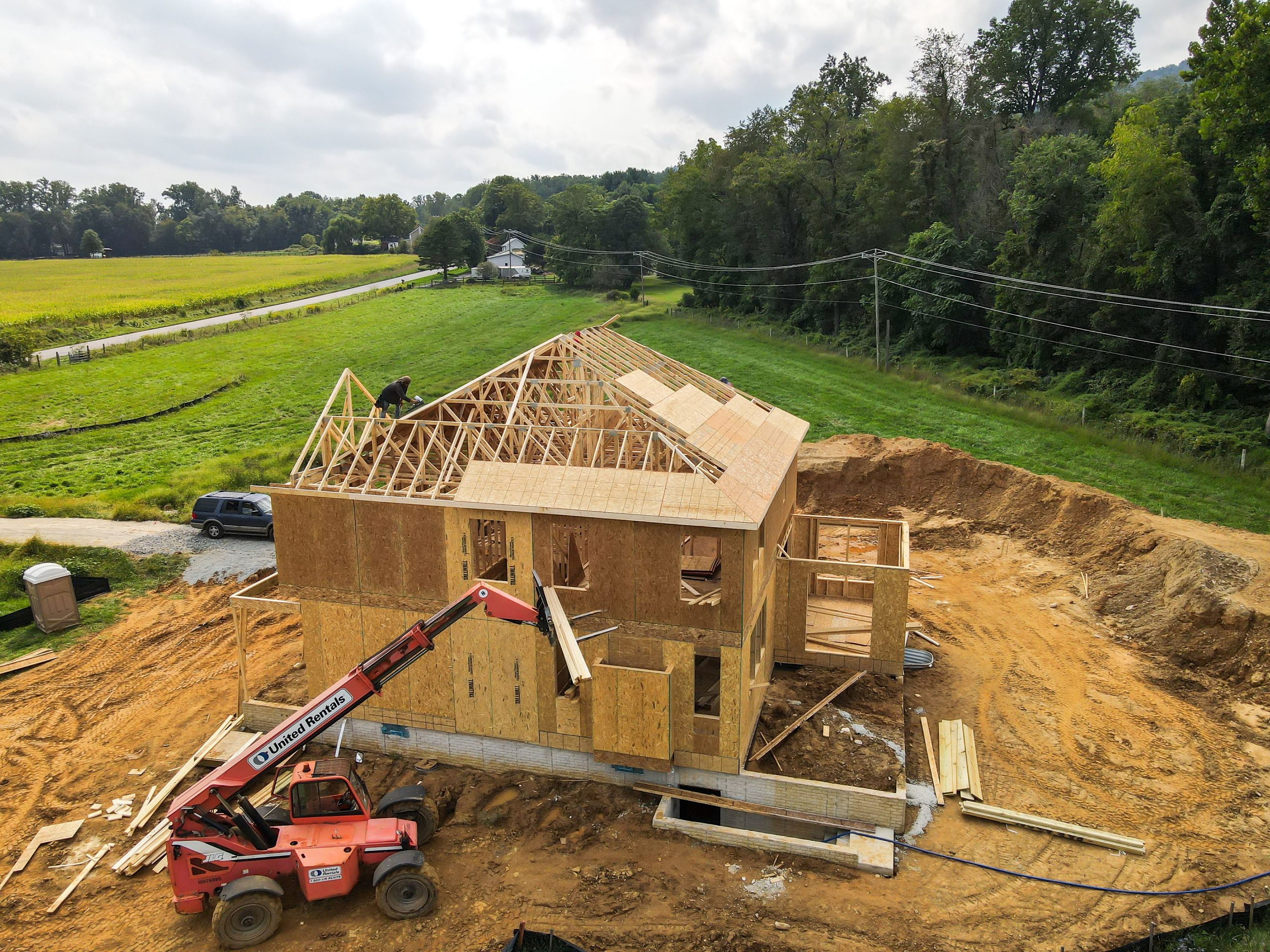
A systematic approach to analyzing potential spec home development opportunities while minimizing risk.
Every successful spec home developer has learned this lesson the hard way: the most expensive spec home projects are the ones where you discover site problems after you own the land. The difference between profitable spec building and costly mistakes often comes down to the thoroughness of your site evaluation process.
Unlike buying improved properties where issues are often visible and fixable, spec home sites can have hidden limitations that fundamentally affect buildability, construction costs, and ultimate profitability. A systematic approach to site investigation protects your capital and enables accurate financial projections.
Today I’m sharing the comprehensive 90-day evaluation framework that experienced spec home developers use to assess potential building sites while managing risk effectively.
Why 90 Days? Understanding Spec Home Site Evaluation Timelines
Most land purchase contracts include 30-45 day study periods, but sophisticated spec home developers often negotiate longer time frames for complex sites. The 90-day framework accommodates:
- Sequential dependencies: Many investigations can’t begin until others are completed
- Seasonal constraints: Soil testing and environmental studies are weather-dependent
- Professional availability: Qualified consultants often have scheduling backlogs
- Government processing: Regulatory inquiries and permits take time
- Comprehensive analysis: Thorough investigation requires adequate time for thoughtful evaluation
This framework can be compressed for simpler building lots or extended for complex development sites, but 90 days provides a realistic timeline for thorough evaluation.
Simple sites requiring abbreviated due diligence might include a single buildable lot in an established subdivision for spec home development, where utilities are readily available and soil conditions are well-documented.
Complex sites demanding extended evaluation could include larger parcels requiring subdivision approval, sites with potential environmental constraints, or properties in jurisdictions with lengthy permitting processes.
Phase 1: Initial Assessment (Days 1-30)
The first phase focuses on quickly identifying obvious deal-breakers and gathering foundational information for spec home development feasibility.
Desktop Research and Records Investigation
Property Records Analysis
Start with comprehensive records research to understand the property’s legal and regulatory status. Current zoning classification and permitted uses provide the foundation for understanding development potential. Property tax history and current assessments reveal valuation trends and potential tax obligations. Recorded easements, restrictions, and encumbrances can significantly affect property use and value. Previous sales history and pricing trends help establish market context, while survey information and any boundary disputes provide insight into potential legal complications.
Environmental Health Department Archives
Research health department records for previous soil evaluations or septic permits. Submit Freedom of Information Act (FOIA) requests if archives aren’t readily available online. Previous studies can provide valuable insights and may reveal favorable information that current owners don’t know exists.
Digital Mapping Analysis
Use online resources to conduct preliminary screening:
- Federal wetlands mapping: U.S. Fish and Wildlife Service National Wetlands Inventory
- Flood zone verification: FEMA Flood Map Service Center
- Soil surveys: USDA Web Soil Survey for preliminary septic feasibility
- Environmental databases: EPA superfund sites and contamination records
Understanding topography through USGS mapping and Google Earth helps assess slope and drainage patterns that affect both building costs and development feasibility.
Zoning and Regulatory Verification
Current Zoning Analysis
Verify zoning designation and understand exactly what’s permitted. Permitted uses by right versus special permit requirements can significantly affect development timelines and costs. Minimum lot sizes and dimensional requirements determine subdivision potential, while setback requirements from property lines and features affect building placement options. Building height and coverage limitations, along with density restrictions, establish the development envelope and potential project scale.
Overlay District Investigation
Many jurisdictions have special overlay districts that impose additional restrictions. Historic districts may require architectural review that adds time and cost to any development project. Environmental protection areas often limit development activities near sensitive resources. Airport zones impose height restrictions that can affect building design, while agricultural preservation areas may limit subdivision opportunities. Steep slope districts often require special engineering that increases development costs significantly.
Future Land Use Planning
Research comprehensive plans and proposed zoning changes that could affect property value:
- County/municipal comprehensive plans showing growth directions
- Pending zoning change applications for nearby properties
- Infrastructure improvement plans affecting access or utilities
- School district boundary changes or new facility planning
Market Analysis & Comparable Research
Comparable Sales Investigation
Research recent land sales to understand market values for spec home sites. Focus on sales within 6-12 months with similar characteristics, since land markets can shift quickly based on zoning changes or infrastructure improvements. Analyze price per acre adjustments for size, access, and utilities, recognizing that larger parcels often have lower per-acre values due to limited buyer pools. Identify value differences based on development potential, noting that properties requiring alternative septic systems or having access limitations often sell for significant discounts. Also note properties that failed to sell and investigate the reasons, as this information helps identify potential red flags.
New Home Market Assessment
Understanding the local market for new construction homes is critical for spec development success. Research recent new construction sales and absorption rates in different price ranges. Analyze active building permits and development projects to understand competition levels. Study builder activity and preferred lot characteristics to understand what drives demand. Monitor market trends affecting new home sales and buyer preferences that might influence your spec home design and positioning.
Residual Land Value Calculation
Work backward from finished home values to determine maximum supportable land acquisition costs. Research completed home values appropriate for the site, considering both recent sales and current market conditions. Estimate construction costs for market-appropriate spec homes, factoring in local labor and material costs. Include all development costs such as permits, infrastructure, and site preparation. Factor in developer profit margins and contingencies, typically 15-25% of total project costs. The remaining value represents the maximum justified land investment before returns become inadequate for spec development.
Phase 2: Professional Investigations (Days 31-60)
The second phase involves hiring qualified professionals to assess technical aspects that affect development potential and costs.
Soil and Environmental Studies
Soil Evaluation for Septic Systems
For properties requiring septic systems, soil conditions often determine development feasibility:
- Basic soil evaluation ($1,000-$2,500): Preliminary assessment of septic system requirements
- Septic certification process: County approval for specific system designs
- Alternative system analysis: Cost implications if conventional systems aren’t suitable
Environmental Assessments
Identify potential environmental constraints or opportunities:
- Wetlands delineation ($2,000-$5,000): Field verification of digital mapping accuracy
- Endangered species surveys ($3,000-$8,000): Required in sensitive habitats
- Archaeological studies ($1,500-$5,000): May be required in historically significant areas
Phase I environmental assessments ($2,000-$4,000) investigate potential contamination from previous land uses, which is particularly important for properties with agricultural, commercial, or industrial history.
Geotechnical Analysis
Foundation and Site Stability Assessment
For properties with potential foundation concerns or first-time developers, geotechnical studies provide critical information:
- Bearing capacity analysis: Can soil support planned structures safely?
- Settlement potential: Will buildings settle unevenly over time?
- Slope stability: Are steep areas safe for development?
- Drainage characteristics: How do seasonal conditions affect building sites?
When Geotechnical Studies Are Essential
Properties with steep slopes or challenging topography often require geotechnical analysis to ensure safe foundation design. Areas with known soil stability issues, particularly those with clay soils or past landslide activity, need professional assessment. Projects involving significant structural loads or sites with visible drainage or stability problems should always include geotechnical studies. First-time developers should err on the side of caution, as the cost of geotechnical analysis is minimal compared to foundation problems discovered during construction.
Survey & Access Verification
Boundary and Topographic Surveys
Accurate property information prevents costly disputes and design problems:
- Boundary surveys ($800-$3,000): Establish exact property lines and identify encroachments
- Topographic surveys ($1,000-$5,000): Show elevation changes and drainage patterns
- ALTA surveys: Comprehensive surveys meeting lender requirements for complex transactions
Access Rights Confirmation
Verify legal and physical access to the property. Road access type—whether public road, private road, or easement—significantly affects both development costs and long-term property management. Maintenance responsibilities and seasonal access limitations can create ongoing expenses and usage restrictions. Utility access rights and connection requirements may involve easements across neighboring properties. Emergency services access and addressing requirements are essential for building permits and insurance coverage.
Utility Infrastructure Assessment
Current Utility Availability
Document existing utility infrastructure and connection requirements:
- Water services: Public water availability or well requirements and costs
- Sewer services: Public sewer access or septic system requirements
- Electric service: Connection availability and estimated extension costs
- Natural gas: Availability and connection fees
- Telecommunications: Internet, phone, and cable access options
Connection Cost Analysis
Obtain detailed estimates for utility connections:
- Verify utility connection fees and whether they’ve been paid
- Distance calculations for utility extensions
- Special requirements for rural or remote properties
- Timeline considerations for utility installations
Phase 3: Financial and Legal Analysis (Days 61-90)
The final phase synthesizes technical findings into investment analysis and addresses legal considerations.
Development Cost Modeling
Important Disclaimer: The cost estimates provided below are based on my experience in my local market and are estimates only. Actual costs vary significantly by geographic region, local market conditions, contractor availability, and specific site requirements. Always obtain detailed estimates from qualified professionals knowledgeable about your specific local market before making investment decisions.
Comprehensive Cost Estimation
Build detailed financial models incorporating all investigation findings:
Site Development Costs:
- Land clearing: $500-$5,000+ per acre depending on density
- Grading and site preparation: $5,000-$30,000+ based on topography
- Driveway construction: $40-$60+ per linear foot
- Utility connections: $1,000-$30,000+ depending on distance
Infrastructure Development:
- Well drilling: $5,000-$15,000+ based on depth and complexity
- Septic systems: $15,000-$50,000+ depending on soil conditions
- Drainage systems: Variable based on site requirements
- Retaining walls: For sloped sites requiring erosion control
Regulatory and Professional Costs:
Permits and impact fees vary dramatically by jurisdiction, ranging from $1,000-$10,000+ based on project scope and local requirements. Engineering fees for grading plans typically run $3,000-$5,000 for standard residential lots. Architectural fees show the widest variation, from $5,000-$60,000 depending on whether you’re starting with stock plans requiring minimal revisions or working with high-end architects for custom design/build projects. Legal and professional consultation costs, plus inspection and compliance expenses, should also be factored into your budget.
Investment Return Analysis
Multiple Scenario Modeling
Develop financial projections under different scenarios:
Base Case Analysis:
- Conservative development cost estimates
- Realistic timeline projections
- Current market value assumptions
- Standard profit margin requirements
Optimistic Scenario:
- Favorable soil conditions reducing costs
- Efficient permitting and construction timelines
- Market appreciation during development period
- Premium pricing for unique property features
Pessimistic Scenario:
- Alternative septic systems or foundation requirements
- Permit delays and regulatory complications
- Market softening affecting finished values
- Unexpected site conditions increasing costs
Risk Assessment and Mitigation
Risk Category Analysis
Evaluate different types of investment risks:
Market Risk:
- Property value fluctuations during development
- Changes in demand for developed properties
- Interest rate impacts on buyer financing
- Economic conditions affecting development activity
Regulatory Risk:
- Zoning changes affecting development potential
- New regulations increasing compliance costs
- Permit delays extending development timelines
- Appeals or challenges from neighboring properties
Site-Specific Risk:
- Soil conditions worse than anticipated
- Environmental issues discovered during development
- Utility connection problems or cost overruns
- Access issues or neighboring property disputes
Risk Mitigation Strategies:
- Conservative financial projections with adequate contingencies
- Professional consultation and comprehensive studies
- Appropriate insurance coverage and legal protections
- Exit strategy planning for various scenarios
Legal & Title Considerations
Title and Ownership Issues
Ensure clear, marketable title and understand all legal limitations:
- Title insurance: Comprehensive coverage protecting against ownership disputes
- Liens and encumbrances: Any claims against the property affecting ownership
- Easements and restrictions: Rights granted to others affecting property use
- Covenants and HOA requirements: Private restrictions on development or use
Transaction Structure and Protection
Structure the purchase to protect your investment:
- Contingency clauses: Adequate protection for unsatisfactory investigation results
- Financing arrangements: Appropriate loan structures for your investment strategy
- Closing timeline: Realistic schedule accommodating all required studies
- Professional representation: Qualified legal counsel familiar with land transactions
Investment-Specific Considerations
Different types of spec home development projects require emphasis on different due diligence aspects:
Single-Lot Spec Development
Market Analysis Focus
New home sales and absorption rates in the target price range are critical for timing and pricing decisions. Study school districts and neighborhood amenities that affect buyer appeal. Analyze competition from other new construction and existing home inventory. Monitor interest rate trends and their impact on buyer qualification and demand.
Technical Priorities
Soil conditions for septic systems often determine feasibility and costs. Utility availability and connection costs significantly affect project economics. Focus on building envelope analysis to optimize home placement and design. Verify that lot dimensions support your planned home size and design preferences.
Multi-Lot Spec Development
Regulatory Complexity
Subdivision approval processes can add significant time and cost to multi-lot projects. Infrastructure requirements for roads, utilities, and drainage become major cost factors. Municipal development fees and impact charges often scale with project size. Environmental review requirements typically increase with project scope and lot count.
Market Positioning
Absorption analysis becomes critical for multi-lot projects—how quickly can you sell completed homes? Competition analysis must consider other subdivisions and their pricing strategies. Builder relationships may be necessary for partnership opportunities or bulk lot sales if retail spec development proves challenging.
Spec Home Site Flipping
Value Analysis
Accurate understanding of development constraints affecting buildability and construction costs is essential for proper pricing. Market positioning relative to other available building sites affects absorption and buyer interest. Understanding typical builder preferences and lot characteristics helps position sites appropriately. Exit timeline considerations include seasonal factors affecting construction starts and buyer activity.
Cost Minimization
Focus due diligence on factors that most affect buildability and construction costs—soil conditions, utility availability, and access requirements. Balance investigation costs against potential profit margins on quick flips. Consider risk assessment for unknown factors that could affect site value. Optimize transaction costs through efficient professional coordination and streamlined processes.
Technology Tools for Efficient Due Diligence
Modern technology enables more efficient and comprehensive property evaluation:
Research and Analysis Platforms
Online Mapping Systems
- County GIS systems for property boundaries and zoning
- Federal environmental databases
- Historical aerial imagery for land use analysis
- Demographic and market data platforms
Professional Networks
- Consultant databases and review systems
- Local professional referral networks
- Industry knowledge sharing platforms
- Market data and comparable sales services
Documentation & Project Management
Digital Organization
- Cloud-based document storage and sharing
- Project timeline tracking and milestone management
- Professional coordination and communication systems
- Financial modeling and analysis tools
Common Due Diligence Mistakes to Avoid
Learning from others’ errors can prevent costly mistakes:
Investigation Scope Errors
Insufficient Technical Studies
Skipping soil evaluations, environmental assessments, or surveys to save money often leads to much larger expenses later.
Inadequate Market Research
Failing to understand local market conditions, comparable sales, or development economics can result in overpaying or poor investment timing.
Regulatory Oversights
Missing overlay districts, pending zoning changes, or special requirements can fundamentally affect development potential.
Timeline and Process Mistakes
Rushed Decision Making
Inadequate time for thorough investigation increases the likelihood of missing critical issues.
Poor Professional Selection
Using unqualified or inexperienced consultants can result in inadequate or inaccurate assessments.
Inadequate Contingency Planning
Failing to build appropriate contingencies into purchase contracts can leave investors without recourse when problems are discovered.
Building Your Due Diligence Team
Successful land investment requires relationships with qualified professionals:
Core Team Members
- Land Use Attorneys: Handle complex zoning issues and transaction documentation
- Civil Engineers: Address site development and regulatory compliance
- Environmental Consultants: Conduct environmental studies and permitting
- Soil Scientists: Evaluate septic system feasibility and foundation conditions
- Land Surveyors: Provide accurate boundary and topographic information
- Real Estate Appraisers: Provide independent valuation analysis
Team Selection Criteria
- Local Experience: Familiarity with area regulations and typical conditions
- Professional Credentials: Appropriate licensing and certifications
- Communication Skills: Ability to explain technical findings clearly
- Timeline Reliability: Capacity to complete work within required schedules
- Cost Transparency: Clear fee structures and realistic cost estimates
Adapting the Framework
The 90-day framework can be customized based on property complexity and investment strategy:
Simplified Process (30-45 days)
For straightforward properties with minimal complexity:
- Accelerated desktop research phase
- Basic soil evaluation and survey
- Standard financing and title work
- Reduced contingency periods
Extended Process (120+ days)
For complex properties requiring extensive investigation:
- Multiple environmental studies and seasonal assessments
- Complicated permitting or zoning processes
- Large-scale development planning
- Multiple professional consultations
Risk-Adjusted Approach
Match investigation intensity to investment exposure:
- Higher-value investments justify more comprehensive studies
- Properties with obvious risks need detailed technical assessment
- Time-sensitive opportunities may require rapid evaluation with appropriate risk buffers
The ROI of Thorough Due Diligence
While comprehensive due diligence requires upfront investment, it provides multiple returns:
- Risk Reduction: Prevents costly surprises that can destroy investment returns
- Accurate Pricing: Enables appropriate offer prices based on complete information
- Faster Development: Proper planning accelerates project execution
- Exit Flexibility: Understanding all property characteristics enables multiple exit strategies
- Investment Protection: The cost of thorough due diligence is typically 3-5% of the purchase price—minimal compared to the potential cost of undiscovered problems.
Your Due Diligence Action Plan
Implementing this framework requires systematic preparation:
Immediate Steps
- Develop standard procedures: Create checklists and timelines for consistent property evaluation
- Build professional networks: Identify and qualify consultants in your target markets
- Create financial models: Develop spreadsheets for rapid investment analysis
- Study local markets: Understand typical costs, timelines, and regulations in your areas
Ongoing Development
- Track results: Monitor the accuracy of your due diligence predictions
- Refine processes: Improve efficiency while maintaining thoroughness
- Expand expertise: Continue learning about land development and investment
- Network building: Develop relationships with other investors and professionals
The Bottom Line
Spec home site evaluation success requires balancing opportunity recognition with risk management. The 90-day evaluation framework provides a systematic approach to understanding both the potential and limitations of any building site opportunity.
The goal isn’t to eliminate all risk—it’s to understand site constraints completely and price them appropriately into your spec development decisions.
Thorough site evaluation enables confident decision-making based on complete information rather than assumptions and hope. While this process requires time and upfront investment, it’s the foundation of successful spec home development.
Remember: the most expensive site investigation is the one you don’t do. Investing in proper due diligence protects your capital and enables the accurate analysis essential for consistent spec development returns.
By following this systematic framework and adapting it to your specific development strategy, you’ll make better site acquisition decisions, avoid costly surprises, and achieve more predictable returns from your spec home projects.
Successful spec home development isn’t about finding perfect building sites—it’s about understanding exactly what you’re buying and pricing that knowledge appropriately. The 90-day evaluation framework provides the systematic approach needed to make informed decisions while managing the risks inherent in spec development.